
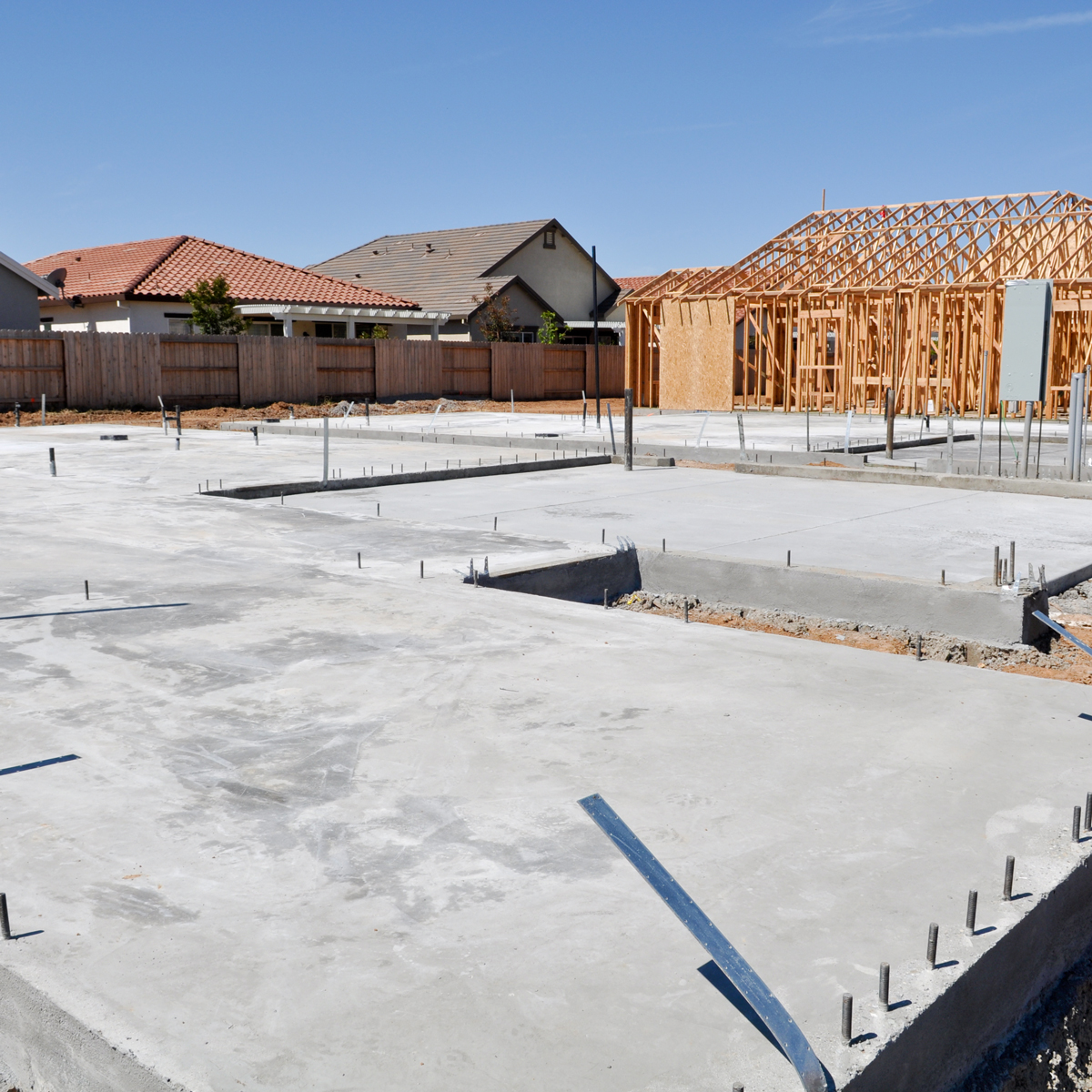
Adding more space to your home is exciting — whether it’s a new room, an extended living area, or a growing family needing extra square footage. But before walls go up and finishes are chosen, there’s one critical element that can make or break your project: the foundation.
In Georgia, soil conditions, slopes, and weather patterns make foundation planning especially important. Here are some practical tips and expert insights to help you plan a solid foundation for your home addition — the right way.
Why the Foundation Matters for Home Additions
Your foundation does more than hold up walls — it supports the entire structure, distributes weight evenly, and protects your home from shifting, cracking, and moisture issues.
When planning a home addition, the new foundation must:
- Properly support the added load
- Integrate seamlessly with your existing foundation
- Comply with local building codes
- Match the soil and terrain conditions of your property
Skipping steps or cutting corners at this stage often leads to costly repairs down the road.
Tip #1: Understand Georgia Soil Conditions
Georgia is known for clay-heavy soils, which expand and contract with moisture changes. This can cause movement if foundations aren’t properly designed.
Before starting your addition:
- Have the site evaluated for soil stability
- Ensure proper grading and drainage
- Choose the right foundation type (slab, crawl space, or footings)
A professional site assessment helps prevent settling, cracking, and uneven floors later on.
Tip #2: Match the New Foundation to the Existing One
One of the biggest mistakes homeowners make is building an addition with a foundation that doesn’t properly align with the original structure.
Your contractor should:
- Tie the new foundation securely into the existing one
- Ensure consistent elevation and load distribution
- Use compatible materials and reinforcement
This ensures your addition feels like it was always part of the home — not an afterthought.Tip #3: Plan for Proper Drainage From Day One
Poor drainage is one of the leading causes of foundation issues in Georgia homes.
When planning your home addition:
- Make sure water is directed away from the foundation
- Install proper grading around the addition
- Consider drainage solutions for sloped lots
Good drainage protects both the old and new parts of your home and helps extend the life of your foundation.
Tip #4: Don’t Overlook Permits and Local Codes
Home additions in Georgia require permits and inspections to ensure safety and compliance. Foundation work is closely reviewed by local authorities.
A licensed contractor will:
- Handle permitting and inspections
- Ensure foundations meet local building codes
- Follow structural and safety requirements
This not only protects your investment but also avoids delays and legal issues.
Tip #5: Work With an Experienced Construction Team
Foundation work isn’t the place to experiment. Experienced professionals understand how to:
- Prepare the site properly
- Execute concrete and structural work correctly
- Anticipate challenges unique to Georgia terrain
A strong foundation sets the tone for the entire project — from framing to final finishes.
Planning a Home Addition in Georgia?
At JS Services, we help homeowners across Georgia plan and build home additions with solid, dependable foundations. From site preparation and concrete work to full construction services, our team ensures your project starts on stable ground.
If you’re considering a home addition and want expert guidance from the very beginning, we’re here to help.

Leave a Reply